
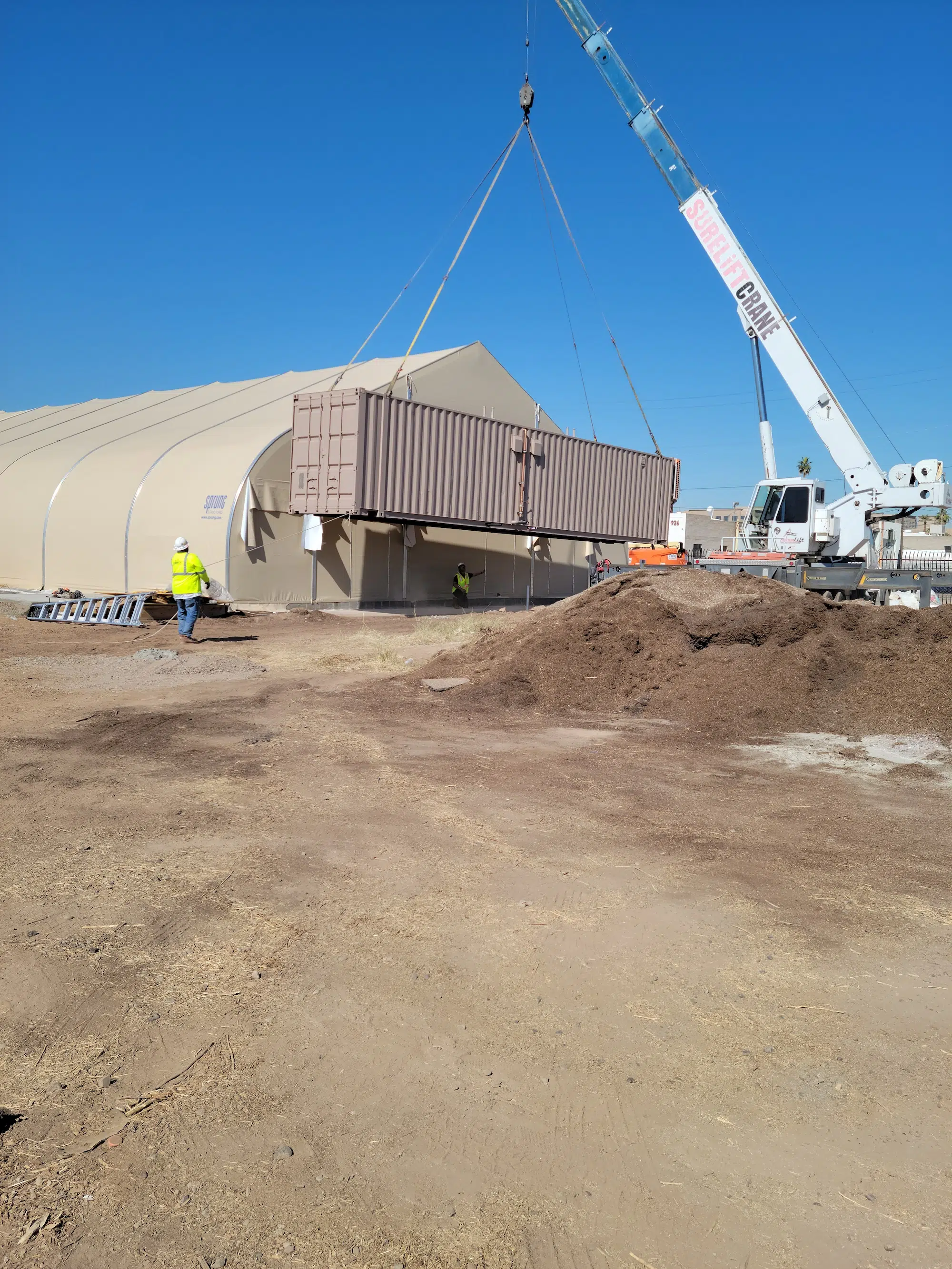
Modular Site Prep: The Unsexy Step That Protects Your Timeline
Why Modular Site Prep Matters So Much
Modular buildings are typically fabricated while site work is happening. That overlap is a big advantage—until the site isn’t ready when the modules are. If foundations, utilities, access, or grading aren’t complete, the project can bottleneck at the worst possible moment. Modular site prep is essentially the runway your project needs for a clean landing.
The Big Pieces of Modular Site Prep
Site prep varies by project type and location, but it usually includes grading, soil work, foundation planning, utilities, and access logistics. Depending on the site, that might also include drainage planning, retaining solutions, or demolition of existing structures. It also includes ensuring the site can physically support delivery and set day—things like crane access, turning radius for trucks, and staging space.
In other words, modular site prep isn’t just “dirt work.” It’s the entire readiness plan that makes a modular build possible.
Utilities Are Often the Hidden Delay
Utilities are one of the most common friction points. Coordinating water, sewer, electric, gas, and communications can take longer than expected, especially if inspections or municipal timelines get involved. Early planning makes a major difference because modular schedules move fast once fabrication begins. Strong modular site prep includes clear utility routing plans, approvals, and coordination well ahead of delivery.
Permitting and Inspections Need to Match the Schedule
Even when the design is approved, site permits and inspections can create delays if they aren’t aligned with modular production milestones. Modular projects require careful coordination between off-site construction and on-site readiness. A professional team plans this as a single timeline, not two separate tasks. That coordination is one of the most valuable parts of well-managed modular site prep.
Access Planning: Delivery Day Shouldn’t Be a Surprise
Set day is a major moment. If the site is tight, the road access is limited, or there are neighborhood restrictions, those details need to be handled early. Modular delivery involves trucks, equipment, and often a crane, and it can’t happen efficiently without a plan. Good modular site prep includes access checks and logistics planning so delivery day is controlled, safe, and on schedule.
The Step That Keeps Everything Moving
The most successful modular projects aren’t just designed well—they’re staged well. When modular site prep is treated as a priority instead of an afterthought, modular construction delivers what it promises: a smoother timeline, fewer surprises, and a faster path to occupancy.
